
SurvivalGearAdvisor is reader-supported. When you buy through links on our site, we may earn an affiliate commission at no extra cost to you.
When officials say evacuate now, or an earthquake knocks out power with no warning, you don’t get a planning session — you get minutes. Emergency agencies like FEMA and Ready.gov recommend being ready to get by on your own for at least 72 hours, roughly how long it can take for relief and supply lines to stabilize after a major disaster.
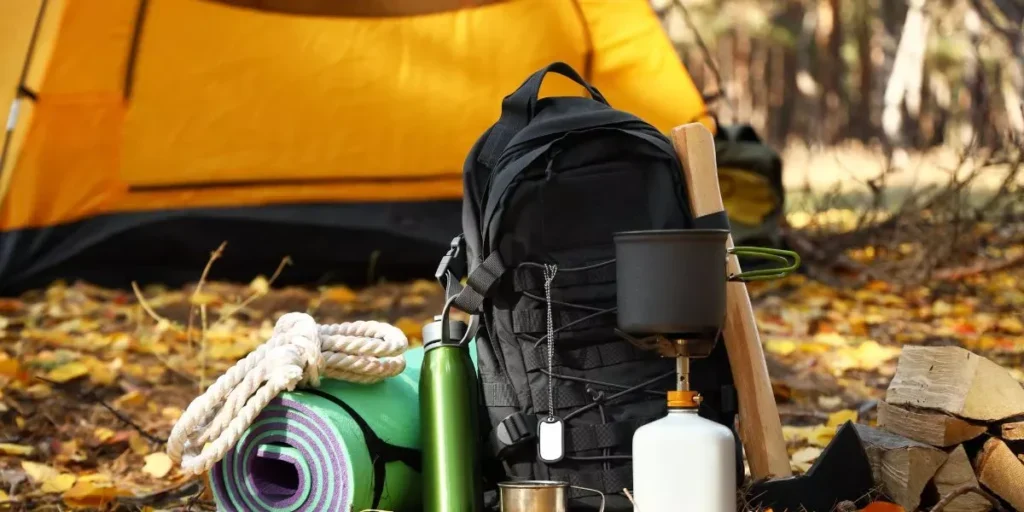
A ready-made 72-hour emergency kit is the shortcut: one bag or bin already stocked with food, water, shelter, first aid, and tools. Below we’ve compared seven real kits sold on Amazon — premium bug out systems, a family bin, a budget backpack, and food-only pails — so you can match one to your household and plan.
Quick Picks: Best 72-Hour Emergency Kits Compared
| Kit | People | Type | Standout Feature | Best For |
|---|---|---|---|---|
| Uncharted Supply Co. SEVENTY2 Pro | 2 | Premium bug-out backpack | 60+ tools, Sawyer Mini filter, NOAA radio | Best overall premium |
| Sustain Supply Co. Premium 2-Person Kit | 2 | Premium backpack | Morakniv knife, portable stove, ferro rod | Best quality components |
| Judy The Safe | 4 | Emergency bin | 6 labeled, color-coded supply boxes | Families sheltering in place |
| Ready America 70280 2-Person Kit | 2 | Basic backpack | 5-year food & water, thousands of reviews | Best budget pick |
| Emergency Zone Complete Deluxe 2-Person | 2 | Full-featured backpack | 53-pc first aid kit + straw filter | Best value full kit |
| Augason Farms 72-Hour 1-Person Kit | 1 | Food-only pail | 25-year shelf life, real meals | Food security |
| 4Patriots 72-Hour Survival Food Kit | 1 | Food-only kit | 25-year shelf life, compact | Small-space food stash |
Uncharted Supply Co. SEVENTY2 Pro 2-Person Survival System
The SEVENTY2 Pro is the kit other bug out bags get measured against. Developed with input from first responders, it packs 60+ tools into a waterproof roll-top backpack for two people over 72 hours: a Sawyer Mini water filter with bladder, two 2,400-calorie food bars, a NOAA crank radio, a tube tent, a knife with fire starter, a multitool, and stormproof matches. Screen-printed, color-coded instructions on the bag itself help you act fast under stress.
Pros:
– Exceptionally complete: filtration, shelter, food, first aid, comms, and tools in one bag
– Sawyer Mini filter plus bladder covers water without relying only on stored pouches (see our bug out bag water filters guide for more options)
– Waterproof TPU backpack keeps gear dry in real weather
– A popular pick among preparedness reviewers and frequently recommended by editorial outlets
Cons:
– Premium price tier — the priciest kit here (check current price)
– Around 16+ pounds, so it’s heavy to carry far on foot
– No bulk stored water — you need a water source for the filter
Sustain Supply Co. Emergency Survival Kit & Backpack, 2 Person, 72 Hours
Sustain Supply Co.’s premium 2-person kit is the runner-up for buyers who want name-brand components: 12 Wise Company food servings, two 33.8 oz Aqua Literz emergency waters, two Sustain survival straws, a genuine Morakniv knife, a ferrocerium rod with InstaFire tinder, a portable stove with bowls and utensils, an LED lantern, Cyalume SnapLights, a stocked first aid kit, and two emergency blankets.
Pros:
– Name-brand components (Morakniv, Wise Company, Cyalume) instead of generic filler
– Portable stove plus freeze-dried meals make hot food possible — a real morale boost
– Ferro rod and InstaFire tinder cover fire-starting without fuel (see our guide to ferro rod fire starters)
– Both stored water and filtration straws included
Cons:
– Heavier than minimal kits — roughly 21 pounds by one owner’s account
– Freeze-dried meals need water and heat, so they’re useless without both
– Premium pricing versus basic Red Cross-style kits (check current price)
Judy The Safe
Judy is the modern, design-forward take on emergency prep, and The Safe is its flagship family kit. Instead of a backpack, you get a water-resistant bin holding 61+ supplies organized into six clearly labeled boxes covering tools, warmth, safety, first aid, food, and water — genuinely intuitive when you’re stressed and it’s dark. It’s built to support up to four people for up to 72 hours, and ships with planning resources like a fridge magnet and preparedness guides that nudge the whole family to think through their plan.
Pros:
– Best-in-class organization — labeled boxes beat digging through a stuffed backpack
– Serves up to 4 people, more than any other kit here
– Water-resistant bin doubles as a clean, dry at-home storage hub
– Planning guides help beginners actually get started
Cons:
– It’s a bin, not a backpack — great for sheltering in place, poor for evacuating on foot
– Honest reviews note the food and water lean toward about a day’s worth for four; pair it with pantry supplies
– Premium price for the food and water included (check current price)
Ready America 70280 72-Hour Emergency Kit, 2-Person
The Ready America 70280 is the classic entry-level kit: a red backpack stocked for two people for three days around the basics recommended by the American Red Cross. Inside: two 2,400-calorie food bars, twelve 4.25 oz water pouches, a 33-piece first aid kit, two survival blankets, two ponchos, 12-hour lightsticks, dust masks, nitrile gloves, a whistle, and tissues — with food and water rated for a five-year shelf life. With thousands of positive Amazon reviews, it’s a popular pick for buyers who want the cheapest credible head start: one per family member, one per car, no overthinking.
Pros:
– The most affordable true 72-hour kit on this list
– Very high review count, with owners widely calling it great value
– Five-year shelf-life food and water mean set-it-and-forget-it storage
– Light and compact enough for a car trunk or office closet, with room to add personal items
Cons:
– Minimal contents: no knife, no fire starter, no real shelter, no water filter
– Food is ration bars only — calorie-adequate but monotonous
– Basic backpack quality; you’ll likely want to supplement it
Emergency Zone Complete Deluxe Survival Kit, 2-Person
Emergency Zone’s Complete Deluxe kit sits between the budget Ready America and the premium Uncharted: a full 72-hour bug out backpack for two with genuinely useful gear throughout. It uses U.S.-made SOS brand food rations and water pouches (US Coast Guard approved, five-year shelf life), adds a Frontier straw water filter rated for up to 30 gallons, and includes a 53-piece first aid kit and an emergency tent in a MOLLE-style backpack with room to expand.
Pros:
– Five-year shelf-life food and water, plus a backup straw filter
– 53-piece first aid kit is more complete than most at this tier (compare with dedicated first aid kits for camping)
– Emergency tent included — a step up from blanket-only shelter
– Solid mid-range value for the gear count
Cons:
– Bulkier and heavier than the minimal kits
– Food is still ration bars, not real meals
– Component quality is a step below the premium-tier kits
Augason Farms 72-Hour 1-Person Emergency Food Supply Kit
Not a bug out bag — a food strategy. The Augason Farms 72-hour kit is a grab-and-go pail with 42 servings of just-add-water meals (roughly 2,560–2,667 calories per day) across five varieties, including soups, maple brown sugar oatmeal, and banana chips. The headline feature is the up to 25-year shelf life: buy it once, stash it, and skip rotation for decades.
Pros:
– Up to 25-year shelf life — unmatched for long-term food security
– Real meals (soups, oatmeal) rather than ration bars
– Roughly a full day’s calories per day, not a starvation ration
– Compact, waterproof pail; very affordable per calorie
Cons:
– Food only — no water, shelter, first aid, or tools
– Every meal needs water plus heat, so pair it with a stove and filtration
– Single-person sizing; a family needs several pails
4Patriots 72-Hour Survival Food Kit
4Patriots is a well-known preparedness brand, and its 72-hour food kit is the compact alternative to the Augason Farms pail: 20 servings designed to keep one person fed for three days at about 1,600 calories per day, with a 25-year shelf life under proper storage. It’s positioned as emergency energy and nutrition for the critical window, with the expectation that you’d supplement from pantry supplies in a longer event.
Pros:
– 25-year shelf life from a well-regarded preparedness brand
– Very compact and lightweight — easy to stash anywhere
– Good as a calorie backstop alongside a gear kit
Cons:
– Food only — no water, gear, or shelter
– About 1,600 calories per day is lean for active adults
– Most items need water to prepare
How to Choose the Best 72-Hour Emergency Kit
What a 72-hour kit must contain. Check any kit against these seven categories before you buy:
- Water — Ready.gov suggests one gallon per person per day. No backpack stores that much, so the better kits pair stored pouches with a filter or purification method.
- Food — Calorie-dense, minimal-cook items with a long shelf life; roughly 2,000+ calories per person per day is a reasonable target.
- Shelter and warmth — Emergency blankets at minimum; a tube tent, bivy, or ponchos are better.
- First aid — A stocked kit, plus personal medications you add yourself.
- Light and communication — Flashlight or lantern, a whistle for signaling, and ideally a crank or battery NOAA weather radio.
- Tools — A knife or multitool, a fire-starting method, paracord, and duct tape cover most needs.
- Hygiene and documents — Wipes, gloves, dust masks, plus copies of IDs, insurance, and prescriptions in a waterproof bag.

Build vs. buy. Buy pre-made if you want to be prepared this week, not someday: one purchase gets you roughly 80% of the way, the contents are chosen to work together, and good kits organize everything so you can find it in the dark. For most households, “done” beats “perfect.” Build your own if you have specific needs a generic kit can’t cover — dietary restrictions, infant or pet supplies, prescription medications, or cold-weather gear — or if you simply want to hand-pick every component. The practical middle ground: buy a solid pre-made kit as your foundation, then personalize it with documents, medications, cash in small bills, a change of clothes, and a local paper map. Fifteen minutes of personalization turns a good kit into your kit.
One category worth upgrading on its own is communication: a dedicated weather radio keeps alerts coming when phones die, which is why we separately tested the best hand crank emergency radios you can pair with any of these kits.
Frequently Asked Questions
What is a 72-hour emergency kit, and why 72 hours?
A 72-hour emergency kit is a portable set of supplies — food, water, shelter, first aid, and tools — designed to keep you self-sufficient for three days. The 72-hour figure comes from emergency management guidance: after a major disaster, it typically takes about three days for organized relief, open supply routes, and restored utilities to reach affected areas. It’s a minimum, not a maximum.
How much food and water does a 72-hour kit need per person?
Aim for roughly 2,000–2,500 calories per person per day — about 6,000–7,500 calories total for three days — usually delivered as ration bars or freeze-dried meals. For water, the standard guideline is one gallon per person per day. Since no backpack realistically carries that much, the best kits combine stored water pouches with a portable filter so you can resupply from found water.
Do I need one kit per person, or can a family share?
It depends on the kit’s rated capacity. Two-person kits like the SEVENTY2 Pro or Ready America 70280 genuinely cover two people for three days. For a family of four, buy two 2-person kits or one 4-person kit like Judy The Safe.
How long do pre-made 72-hour kits last before supplies expire?
Food bars and water pouches in most kits carry a five-year shelf life; freeze-dried and dehydrated food kits from Augason Farms and 4Patriots can last up to 25 years. Batteries, medications, and some first aid items expire sooner. Check your kit once a year: replace batteries, rotate medications, and note expiration dates on food and water.
Is a 72-hour emergency kit the same as a bug out bag?
They overlap but aren’t identical. A bug out bag is built for one scenario — evacuating on foot with everything on your back — so weight and portability rule. A 72-hour kit is built around a timeframe, and can live in a bin or car trunk as easily as a backpack. In practice, most backpack-style 72-hour kits double as excellent bug out bags.
The Bottom Line
The best 72-hour emergency kit is the one that’s packed, findable, and matched to your plan before you need it. The Uncharted Supply Co. SEVENTY2 Pro is the premium benchmark; Sustain Supply Co. delivers quality components a step down; Judy The Safe suits families sheltering in place; and the Ready America 70280 gives genuine coverage on a tight budget. Pair any gear kit with a food-only pail like Augason Farms for longer security, and take fifteen minutes to add your documents, medications, and cash.
