Connect Beyond Cell Service
: Survival Gear Reviews & Guides
Stay connected when your adventure takes you beyond cell service.
Explore satellite communication gear designed for remote camping,
hiking and outdoor travel.
Answer a few quick questions and we will suggest the best products for you.
✕
Log In
Compare items
Total (0)
Compare
0
Survival Gear FAQs
What should I pack in a 72-hour emergency kit?
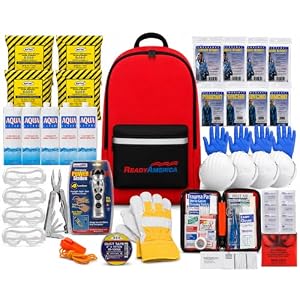
Pack water (one gallon per person per day), non-perishable food, a first aid kit, flashlight with extra batteries, multi-tool, emergency blanket, fire starter, whistle, dust mask, moist towelettes, wrench or pliers, manual can opener, local maps, cell phone with charger, and copies of important documents. Ready.gov recommends storing at least one gallon of water per person per day for drinking and sanitation, and at least a three-day supply of non-perishable food.
How do I choose the right water filter for survival?
Consider filter type (pump, gravity, straw, or bottle), flow rate, weight, and what it removes. For backcountry use, a pump or gravity filter handling bacteria and protozoa suffices. For international travel or uncertain sources, choose one that also removes viruses.
How should I store food for long-term emergency preparedness?
Store in a cool, dark, dry place in airtight containers. Use Mylar bags with oxygen absorbers for grains, beans, and freeze-dried meals (25+ year shelf life). Rotate canned goods every 1-2 years and label everything with purchase dates.
What is the best way to stay warm without electricity?
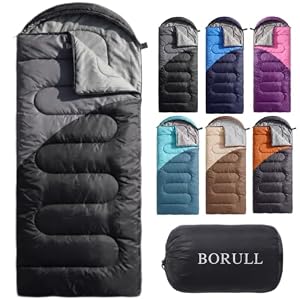
Layer clothing (base, insulation, shell), use sleeping bags rated below expected temps, seal drafts, gather in one room, and use hand warmers. Never use fuel-burning heaters indoors without ventilation.
How do I navigate without GPS or cell service?
Carry a topographic map and compass and know how to use them. Learn to read terrain, use the sun and stars for direction, and mark your trail. Always tell someone your route and expected return.
Content last updated: October 15, 2026
Why trust us: SurvivalGearAdvisor is published by the team behind The Self-Reliance Library, a 12-book emergency preparedness series.